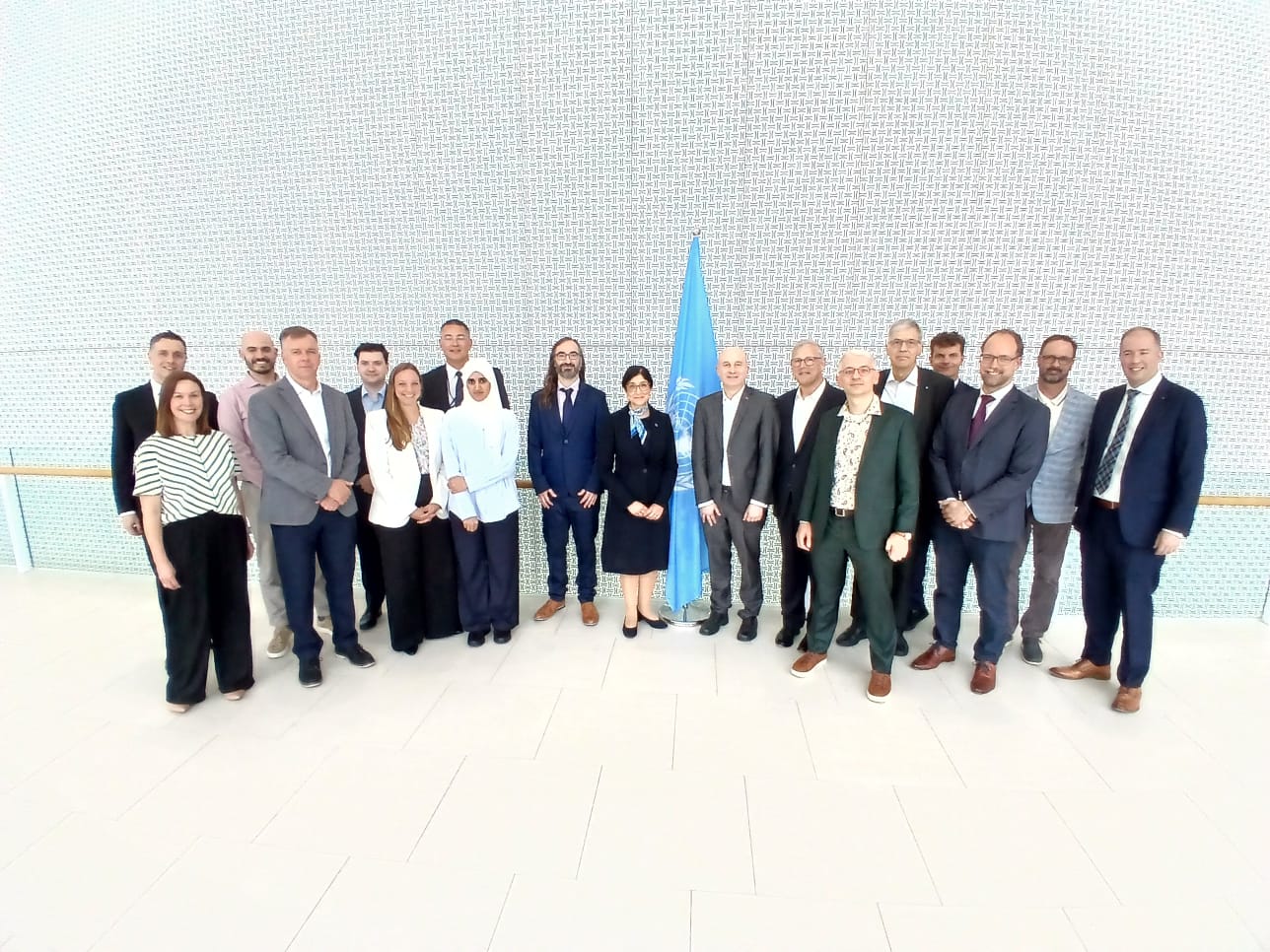
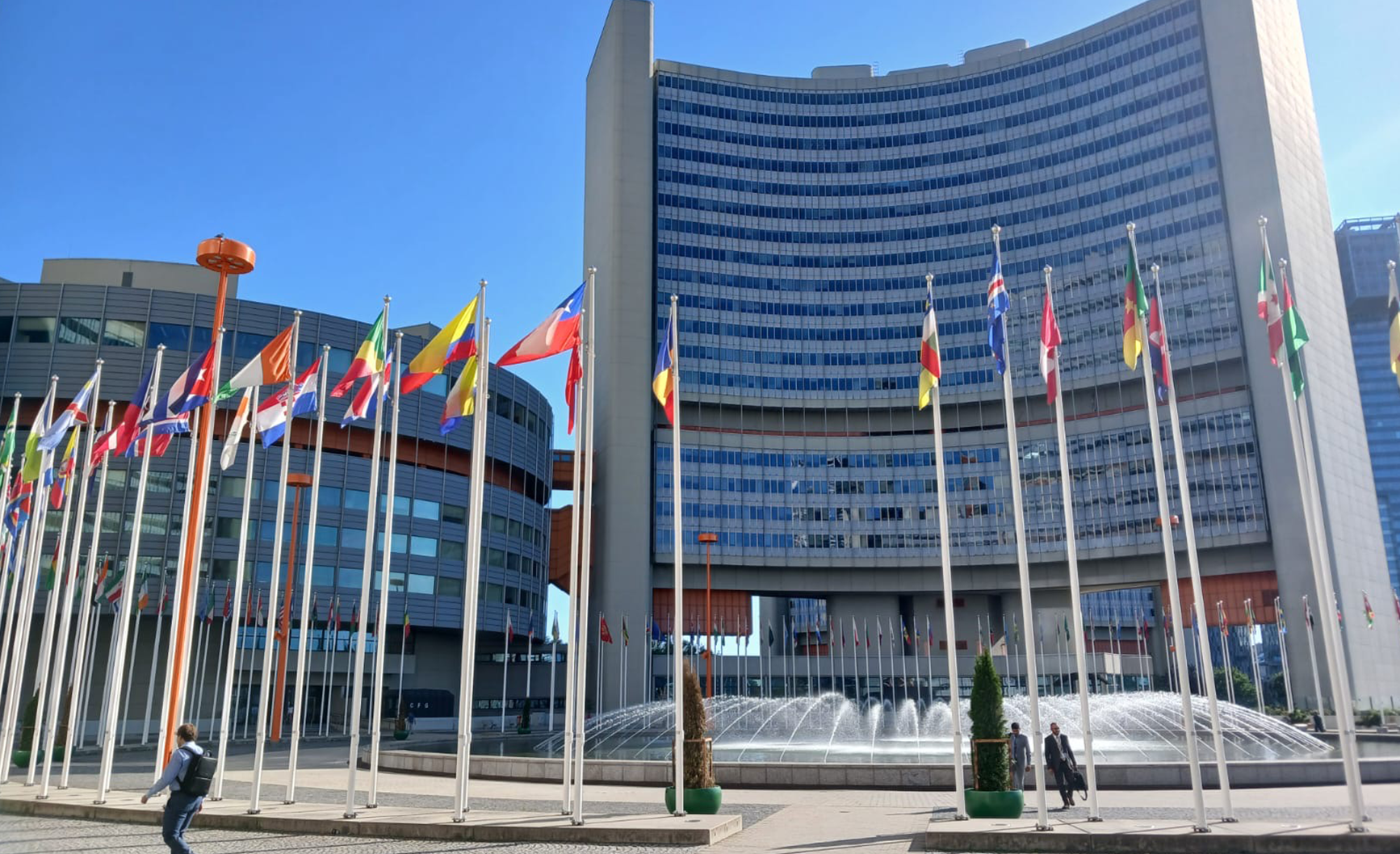
Last month, we welcomed SDA participants and guests from the wider satellite community to join us in Vienna for a workshop focused on in-orbit coordination and space safety. Held ahead of the 69th session of the UN COPUOS, the workshop united key stakeholders within the industry to explore the state of flight operations and space sustainability. The in-orbit landscape has changed dramatically in recent years which has posed complications to the coordination of operations and objectives within space. From commercial sprawl to changing SSA policies, the industry must address new challenges against a backdrop of financial pressures and political complexities.
Why space safety remains a priority
The 2020s space race is gaining momentum, with new entrants looking to launch mega constellations, existing industry players looking to adapt and expand portfolios, and governments’ push for sovereignty driving momentum within the industry. Amongst the race to keep up, conversations surrounding space safety and sustainability must remain intrinsic to ambitions.
We were delighted to be joined by keynote speaker, Ian Christensen, Director of Private Sector Programs, Secure World Foundation, who shared his thoughts on the importance of coordination within the industry and why operators must prioritise responsible practices when operating in space.
He explained that the pace of change is reshaping how we manage orbital activity and noted the shift in the domain from government to private drivers and new actors in space. Space is also inherently strategic in nature, and most space applications and tech can be dual use. He explained how SWF has convened a series of workshops and dialogues with SSA data providers, operators and space safety experts to discuss practical measures for information sharing to enhance spaceflight safety and these have identified some common points including:
- SSA information sharing is dependent on relevance, timeliness and usability rather than volume.
- Trust plays a central role in SSA information sharing.
- Efforts to enhance information sharing at a global level should be compatible with and build upon existing mechanisms.
- Improvements in information sharing practices should be built from what already exists in terms of standards and guidelines rather than starting anew.
He finished with the question: “In this future scenario - How can our current operational experience help us maintain that stability? What practices need to be scaled and what new capacity needs to be developed?” Food for thought for the rest of the day.
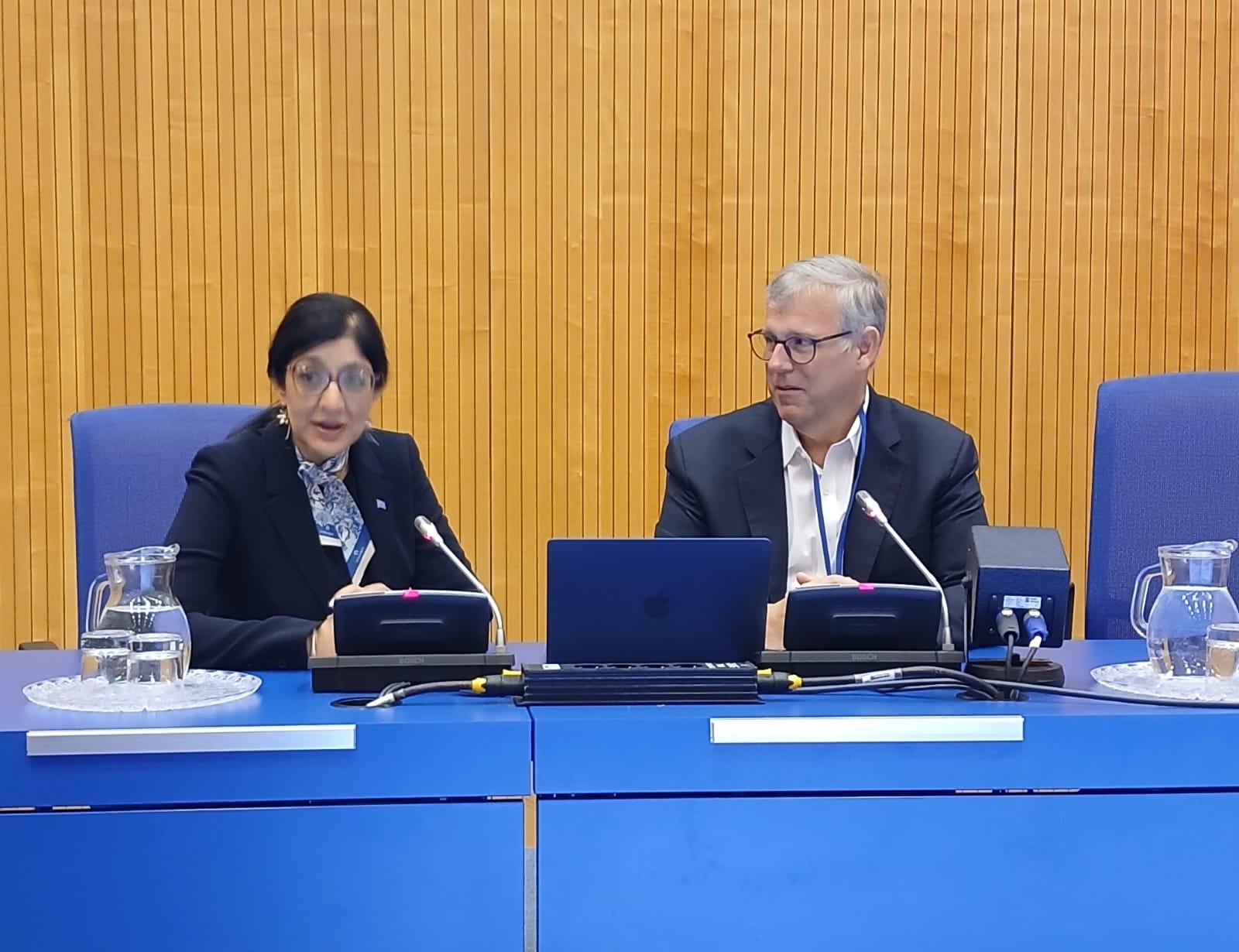
Aarti Holla-Maini, Director of UN Office for Outer Space Affairs, joined Andrew D’Uva, Strategy and Policy Advisor, SDA, for a fireside chat in which they discussed the current state of Space Affairs.
Aarti explained how the Office has been focusing on outreach and engagement to help spread the knowledge of space sustainability and how this relates to the Long Term Sustainability (LTS) guidelines and what that means in terms of implementation. She expressed that the industry is calling for SSA and information sharing and talked about the newly established Expert Group on SSA which has met and agreed to create a contact hub that provides minimum
information so that operators can contact one another in the event of a conjunction. She also stressed that the UN is not getting operational but is supporting the creation of such initiatives, bringing useful suggestions to governments and raising awareness.
Can we eliminate space debris?
We have long discussed the risks posed by space debris. With an exceptional rise in the number of satellites deployed in-orbit, can we expect this issue to escalate?
Holger Krag, Head of Space Safety Programme, ESA, joined us to explain ESA’s initiative which aims to ‘significantly limit the production of debris in Earth and Lunar orbits by 2030 for all future missions, programmes and activities.’ Krag provided insights into the impact of ESA’s ambitious initiative on debris and whether the industry is adapting to meet these recommendations quickly enough to meet the 2030 deadline. He explained that we need to consider the worst-case scenarios in terms of potential casualty events on Earth and also break up events that are happening on a much more regular basis. He talked about the technical difficulties of preventing these breakup events and disposal measures. He looked in more detail at the technology that can help to address is – and the lead time that we could be facing before this technology becomes available.
Krag explained that the charter is a simple two-page document, with 5 ambitious goals and 228 signatories, SDA included, there is an engaged community and positivity that this engagement will help ESA to deliver on those goals.
This led into a panel, moderated by Lorenzo Arona, Founder, Safe Heavens, who will raise the question: ‘How do we move towards zero debris?’. With all panellists having won the T.S. Kelso award, this session offered views from a broad range of experts in their field. We were honoured that TS Kelso himself actually sent in a statement to open the panel that was read out by Lorenzo and that talked about the international challenges and commented, “it will take all of us working together to tackle and solve the myriad problems we face”.
There followed a minute of silence to remember Diana McKissock, who was the post-humous recipient of the award last year.
Data sharing and avoiding fragmentation
As with the wider landscape, data sharing has also increased in complexity since the rapid expansion of satcom. Space Situational Awareness is critical component of space safety. Without it, the industry is left to guess where hazards are and how to avoid them effectively. The SDA has stressed the importance of data sharing due to its influence on improving accuracy and the additional value it adds through knowledge such as planned manoeuvres and Owner/Operator ephemeris data.
Due to the rapid increase in the number of satellites in orbit, the amount of data we need to share has increased. This has introduced new challenges about how we share data, as well as how it is screened and processed to ensure that accuracy is prioritised. Charles Law, SDA Executive Director, posed the question ‘How do we prevent fragmentation in SSA data?’ to panellists, Mariel Borowitz, TraCCS, Felipe Jiminez Gonzalez, SSP/GMV and Bruce McClintock, RAND Corporation. The panellists explored the challenges of data sharing and examined best practices when delivering Space Traffic Management services. This was a lively discussion, but it was agreed that this is a topic that transcends competition between states and that we need to do better as this is a matter of global and collective responsibility. The panel agreed that we are moving in the right direction in terms of coordination both at the bilateral and national level, but the need to improve transparency is key.
Fatmah Alyammahi, Director of Flight Dynamics, Space42, SDA’s most recent member also took to the stage to discuss her organisation’s perspective on SSA in the current landscape and why Space42 has chosen to join the SDA. She took us through the early warning processes used at Space42 how they avoid unnecessary manoeuvres.
This was a day filled with excellent discussion and insights from the people blazing a trail in SSA, STM and STC. We thank every participant both in-person and remote that joined us and we look forward to continuing our awareness raising and expanding the SDA membership today and tomorrow.
Thinking about joining the SDA?
If you like what you have read here in this blog and want to learn more about the SDA and joining our band of operators, please refer to this information sheet.